
Bridging Miami with Consuelo
October 20, 2025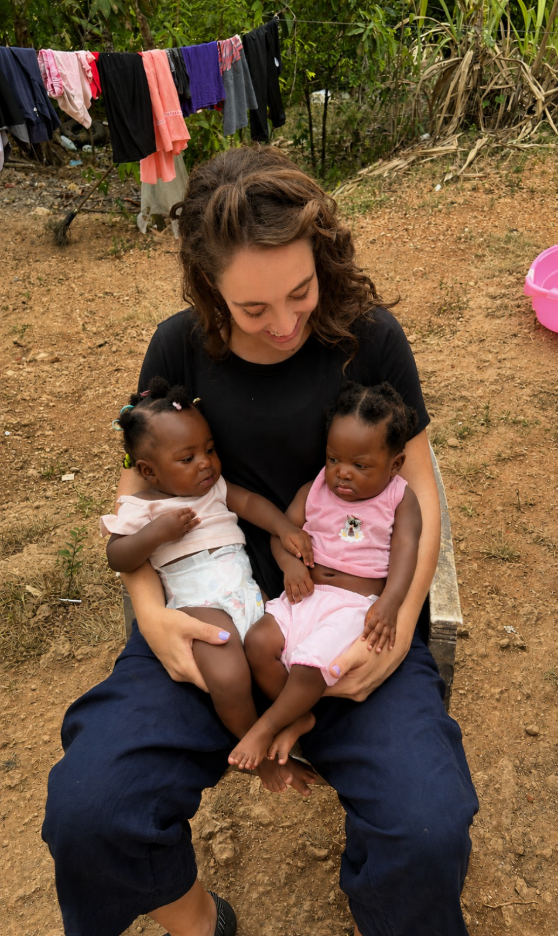 Rachel Nease’s work offers a window into the heart of our mission: accompanying families and communities through moments of uncertainty, vulnerability, and hope. Through her work, she walks alongside people as they navigate difficult circumstances, advocating for dignity, building trust, and helping create pathways toward greater stability and opportunity.
Her work reminds us that accompaniment is often simple but sacred—showing up, listening, standing with people, and allowing relationships to guide the work. We share Rachel’s story not only to highlight the impact of her work, but to invite you more deeply into the mission and the people at its center.
Life and Death Take a Village
Preparing to go to the hospital has become a kind of quiet ritual before the squall. I pack extra water, tissues, a phone charger, and something to read, knowing that most of the day will be spent waiting. In the hospital, there are unreliable bathrooms, flickering lights, standing room only, and long stretches of uncertainty. There are also confrontations with medical staff and immigration officers, whispered updates from other families, and the small kindnesses that keep people steady when everything feels fragile.
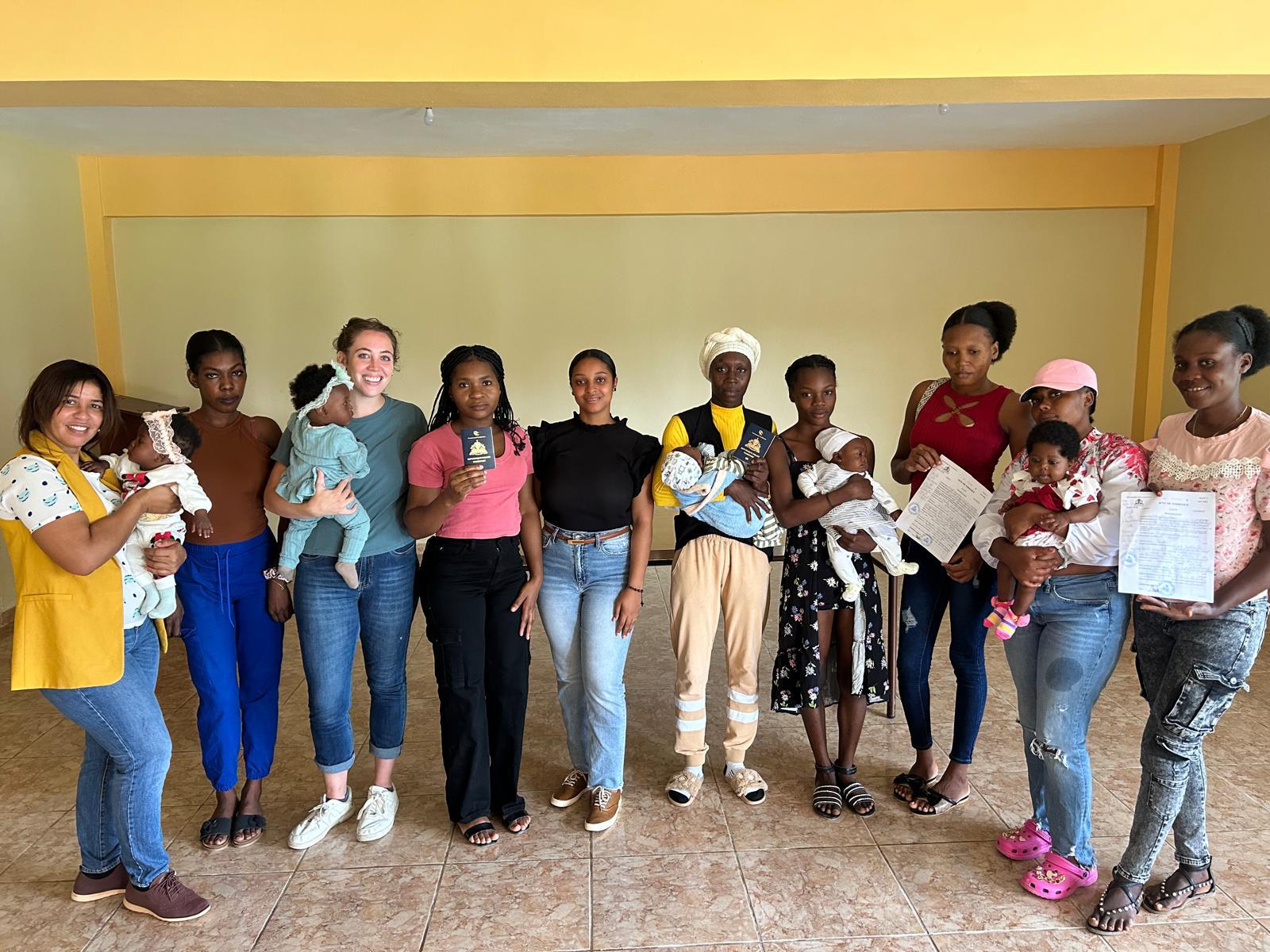
In the postpartum rooms, strangers become a village for the day. We trade runs to the store for food and baby formula. We tidy the crowded rooms, comfort one another’s crying babies, and hold one another’s anxieties. We talk about whose baby will not breastfeed. We gossip about husbands and in-laws. One father arrives with a bag of supplies for his very sore postpartum wife that contains, inexplicably, only two pairs of skin-tight jeans. For a moment, everyone laughs.
But fear is always close by. Families tell me that immigration officers came through the room at 9:00 p.m., then again at 4:00 a.m., and again at 7:00 a.m. They stood at the foot of the bed of the mother and newborn I was accompanying. We huddled together and kept watch on the door while people whispered about who might be detained, who might be deported, and which mothers and babies had already been taken away to be sent to Haiti. What followed was a frantic chorus of phone calls, tears, repeated questions, unexpected allies, and luck. By some grace, several deportations were prevented. Still, the stress and fear left their mark on those families’ lives.
Today is different.
Today I have come to stand outside the labor and delivery unit, as I did yesterday and the day before. Maritza, ASCALA’s longtime health promoter, has spent nearly a week coming and going from the hospital with a steadiness that feels almost saintly. Alongside her is Cherie, a woman from the community who has already endured threats from the immigration officers posted at the hospital while she keeps vigil for her friend.
Today we are not waiting for a mother to be wheeled into the postpartum unit with her baby in her arms. We are not waiting to rejoin the familiar village of mothers, fathers, newborns, gossip, worry, and watchful eyes on the window. Today we are waiting for news of a pregnant woman who has long suffered from illness and is now undergoing an emergency C-section as a desperate last resort.
The doctors, gentler with us now after so many days, tell us the prognosis is very poor. Today’s vigil is not a waiting for life, but a waiting for death.
And yet, life does appear, if only briefly.
Death, like life, takes a village. When the bad news comes, we are surrounded by strangers asking what happened and offering prayers. The families of other patients—the same families who have stood and waited with us all week—gather close. They smooth their hands over Cherie’s head and try to help her slow her breathing. When the same discrimination that marked this mother’s life follows her into death, it is coworkers, neighbors, community members, and strangers at the hospital who persevere through threats and fear to make sure she receives a dignified burial.
Every so often, I run into a familiar-looking woman in town. We look at each other for a moment before remembering: the hospital, the waiting, the days of quiet intimacy when we became family for a little while. She asks how the mother is, whether the baby is breastfeeding, or whether the documentation was ever sorted out. We exchange hugs and phone numbers. Later, I see her at the store, waiting for the bus, or back at the hospital accompanying another new mother, another child.
This is the work of accompaniment. It is not always dramatic. Often, it is standing in a hallway. Making phone calls. Holding someone’s baby. Keeping a watch at the door. Sharing food, fear, prayers, and grief with people who were strangers only hours before.
I will remember the community. I will remember kindness. I will remember worry and grief. Like the families who lived those days, these moments stay with me like a fingerprint.